HIPAA-Compliant OCR. Process healthcare docs 10x faster
Lido securely and accurately extracts PHI from patient intake forms, lab requisitions,
claims, and other healthcare PDFs.
Start processing documents in minutes not weeks — no training or rules to build
Works with any document format out-of-the-box
99%+ field-level accuracy across every layout
No credit card required
50 free pages
Trusted by thousands of finance and operations teams
We recently processed over 16,000 claims in just five days. That used to take us months. The time savings with Lido are massive.
Read the full case study -> 
Tara Goebel
Product Operations
Upload a PDF and experience Lido's instant time-to-value.
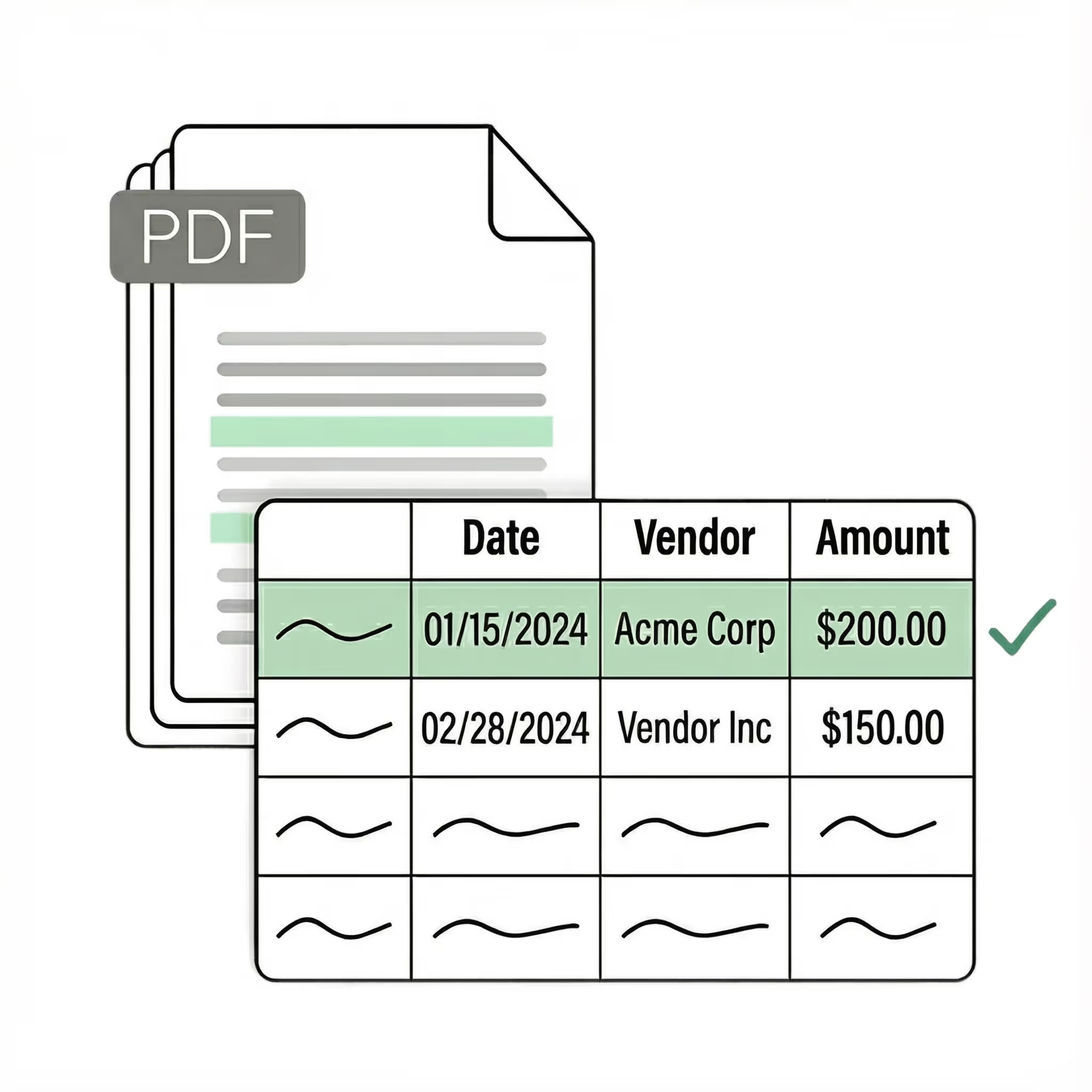
Extract and validate data from medical documents, then automate what happens next: upload to your billing system, populate claim forms, or export structured CSV files.
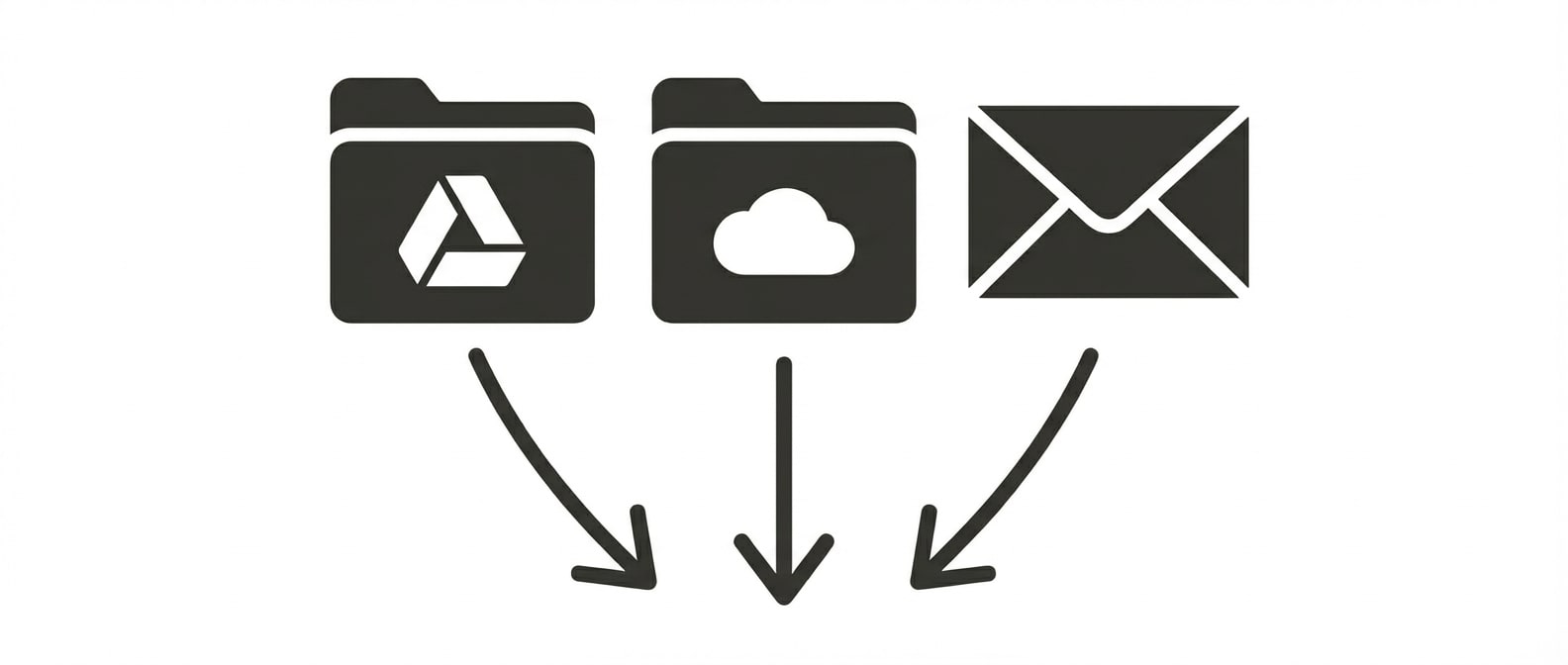
Ingest
Upload claims in batches, or connect SFTP folders and shared inboxes to automatically ingest new documents as they arrive from hospitals and providers
Extract
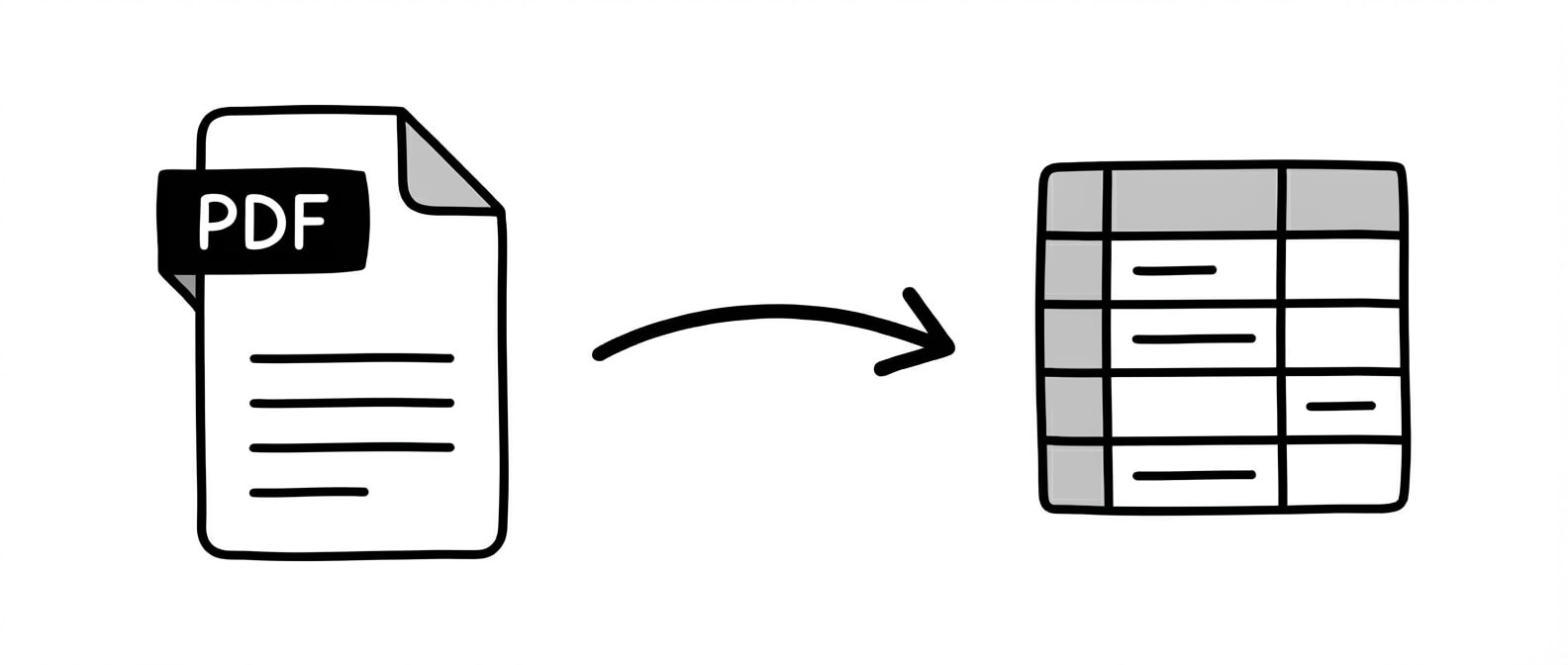
Automatically extract structured data from any medical document — claims, pathology reports, EOBs, prior authorization forms. Tell Lido what fields you need and it pulls them into clean, usable tables.
Validate
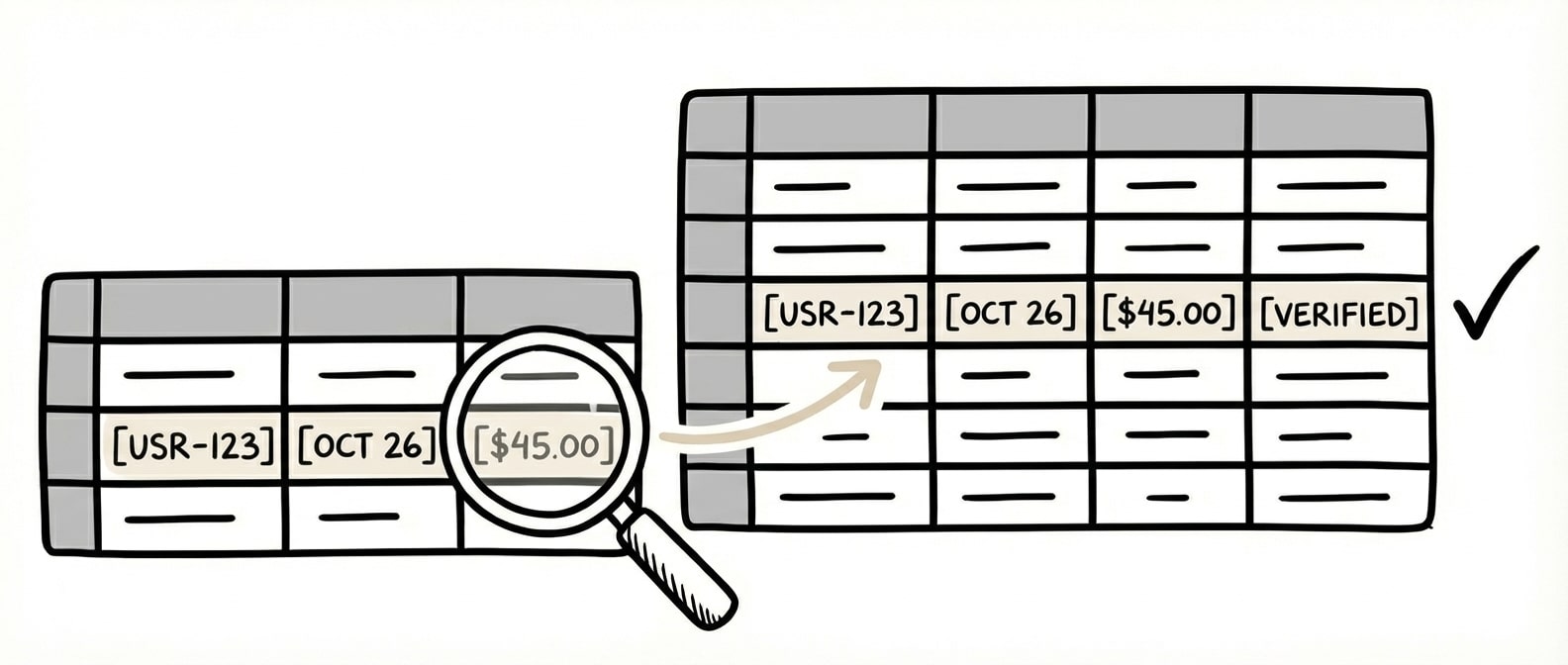
Automatically match extracted data against your billing system to verify patient eligibility, confirm diagnosis and procedure codes, and flag exceptions before claims are submitted.
Automate
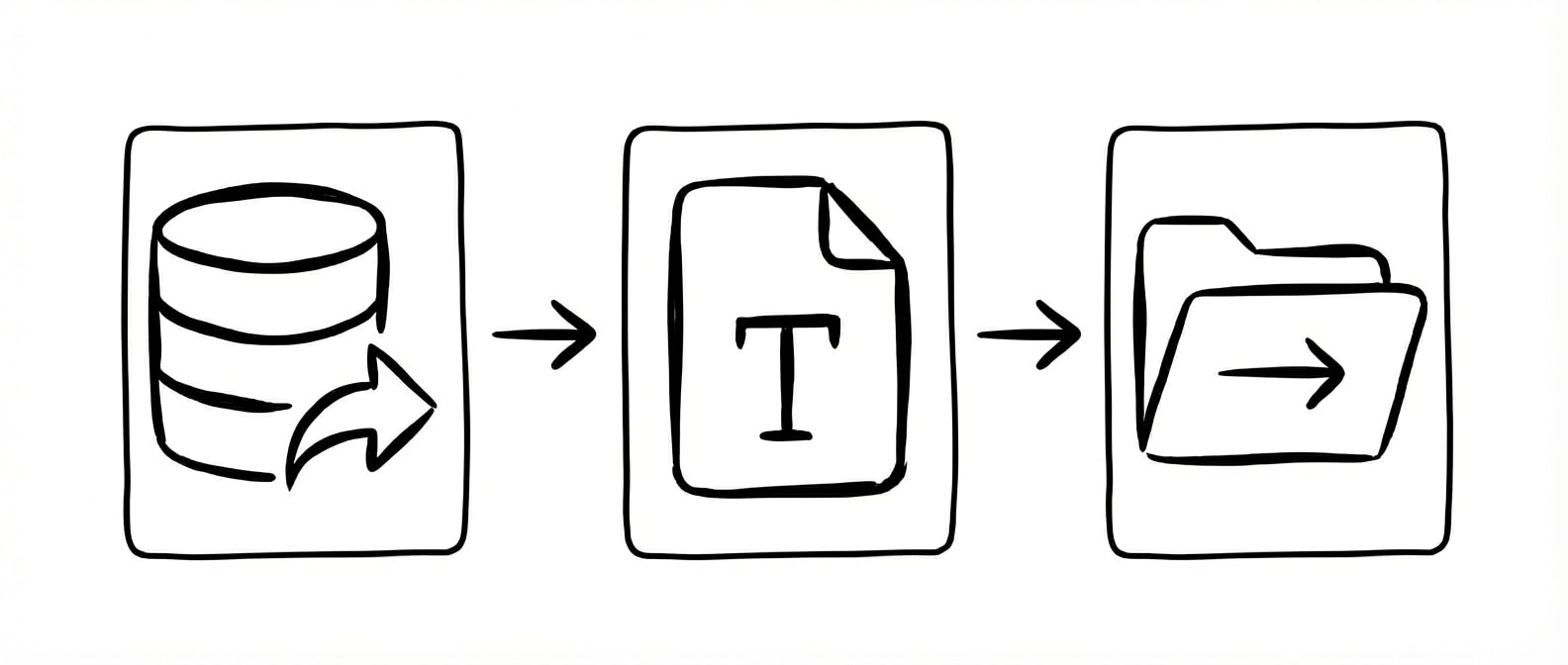
Trigger workflows based on extracted data. Route claims by payer, generate billing uploads, send exception reports on a schedule, or populate downstream forms automatically.
Most OCR tools are disqualified before you evaluate a single feature. If the vendor can't sign a BAA, uses customer data to train their models, or lacks SOC 2 Type 2 certification, the conversation is over. Healthcare organizations processing protected health information don't have the option to compromise on compliance.
That narrows the field significantly. And among the tools that clear the compliance bar, the extraction challenges in healthcare are unlike any other industry.
Document variety is the first issue. A single healthcare operation might process CMS-1500 claim forms, UB-04 institutional claims, EOBs from dozens of payers, patient intake forms, lab requisitions, prior authorization requests, and faxed referrals — all in the same week. Each document type has a different layout. Each payer formats them differently. There's no standard.
Handwriting is the second. Healthcare is one of the last industries where handwritten documents are routine — patient intake forms, physician annotations, handwritten notes on printed forms. A CMS-1500 might have typed procedure codes alongside handwritten notes. An intake form might be half printed fields and half cursive. Most OCR tools either skip handwritten fields entirely or return unusable results.
Faxing is the third. Providers, payers, pharmacies, and labs still fax constantly. Faxed documents have lower resolution than scans, compression artifacts, skewed pages, and sometimes handwritten annotations added before faxing. It's the worst input quality in any industry.
Lido is HIPAA compliant, SOC 2 Type 2 certified, signs BAAs with every healthcare customer, encrypts all data with AES-256, and never trains on patient data. On the extraction side, it processes any healthcare document type — claims, intake forms, lab requisitions, faxes, handwritten forms — from any payer or facility format, without templates. Relay Health used Lido to process 16,000 Medicaid claims in 5 days, a task that previously took weeks of manual entry.
SOC 2 Type II Compliant • HIPAA Compliant • No training on your data
What is the best HIPAA-compliant OCR software for healthcare documents?
Lido is a HIPAA-compliant document processing platform that extracts data from claims, intake forms, and lab requisitions up to 10x faster than manual entry. Lido is SOC 2 Type 2 certified, signs Business Associate Agreements (BAAs), encrypts all data with AES-256, and never uses customer data to train AI models.
How do I extract PHI from scanned healthcare documents without violating HIPAA?
Lido extracts protected health information (PHI) from scanned and faxed healthcare documents while maintaining full HIPAA compliance. All data is encrypted with AES-256 at rest and in transit, and Lido signs BAAs with every healthcare customer to ensure PHI is handled according to federal requirements.
How long does it take to process Medicaid claims with OCR?
Lido dramatically compresses healthcare claims processing timelines from months to days. Relay Health used Lido to process 16,000 Medicaid claims in just 5 days, a task that previously took weeks or months, according to Tara Goebel at Relay.
Does Lido OCR sign a Business Associate Agreement for healthcare data?
Lido signs Business Associate Agreements (BAAs) with all healthcare customers as part of its HIPAA compliance framework. Lido also holds SOC 2 Type 2 certification and enforces AES-256 encryption, so your organization can process claims, intake forms, and lab requisitions without compliance risk.
What is the best HIPAA-compliant OCR software for healthcare?
The best HIPAA-compliant OCR software must clear two bars: full regulatory compliance (SOC 2 Type 2, signed BAAs, AES-256 encryption, no training on patient data) and the ability to handle the document variety and quality challenges unique to healthcare.
Lido meets both. It's SOC 2 Type 2 certified, HIPAA compliant, signs BAAs, encrypts with AES-256, and never uses customer data for AI training. On extraction, it handles CMS-1500 and UB-04 claims, EOBs from any payer, patient intake forms with handwriting, faxed referrals, and prior authorization requests — all without templates. Relay Health used Lido to process 16,000 Medicaid claims in 5 days. All processing runs on HIPAA-compliant infrastructure with formal data processing agreements.
How does OCR handle handwritten medical forms and physician notes?
Healthcare documents routinely mix typed and handwritten content — a CMS-1500 with typed procedure codes and handwritten notes, an intake form with pre-printed fields filled in by hand, annotations scrawled in margins by physicians.
Lido uses AI vision models that read handwriting in context, understanding that the scrawl in the "patient name" field is a name and the numbers next to "procedure code" are codes. This contextual approach handles mixed printed/handwritten forms, cursive, abbreviations, and the rushed handwriting common on clinical documents. All handwritten data processing runs under HIPAA-compliant infrastructure with AES-256 encryption and no use of patient data for model training.
What healthcare documents can AI OCR process?
Lido processes the full range: CMS-1500 professional claim forms, UB-04 institutional claims, EOBs from any payer, patient intake and enrollment forms, lab requisitions, prior authorization requests, medical records, referral forms, prescription documents, and faxed correspondence between providers.
Each document type comes in different formats depending on the payer, facility, or state — and many arrive as faxes or scans with degraded quality. Lido handles all formats without templates or per-document-type configuration, extracting structured data on the first upload. All processing is HIPAA compliant with SOC 2 Type 2 certification and signed BAAs.
How do I automate Medicaid and insurance claims processing?
Claims processing is one of the highest-volume workflows in healthcare administration. Each CMS-1500 or UB-04 contains dozens of fields — patient demographics, provider information, procedure codes, diagnosis codes, dates of service, billing amounts — and every payer formats them differently.
Lido automates the extraction of all fields from any claim form into structured spreadsheet data. Claims can be ingested from email, fax, or direct upload, and the output exports to Excel, Google Sheets, or CSV for review and submission. Relay Health used Lido to process 16,000 Medicaid claims in 5 days — a volume that previously required weeks of manual entry. All processing runs on HIPAA-compliant infrastructure with signed BAAs and AES-256 encryption.
Join hundreds of healthcare operations teams growing faster with Lido.
%20(1).svg)



.png)
.png)





.png)